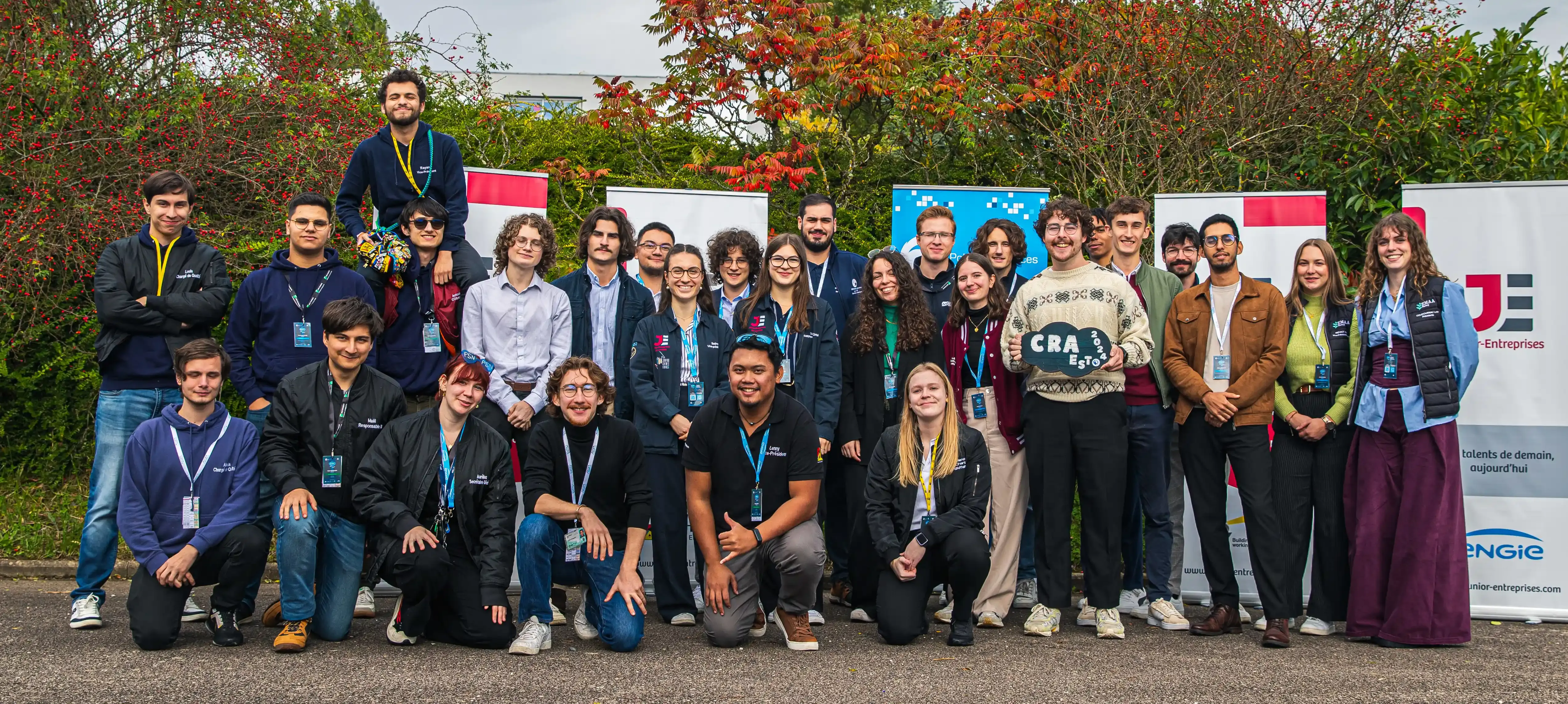
Polytech Services Nancy: My Junior-Enterprise Experience
Since 2023, I have been a volunteer member of Polytech Services Nancy (PSN), a student association that stands out in several ways. In this article, I will try to summarize what makes it unique. After introducing the association, I will explain how it has contributed to my engineering studies at Polytech Nancy.
I would also like to clarify that I receive no compensation for writing this article. The opinions expressed here are based solely on my personal experience within the association. I will also address some critical points to provide a balanced and honest overview of my journey as a Junior-Entrepreneur.
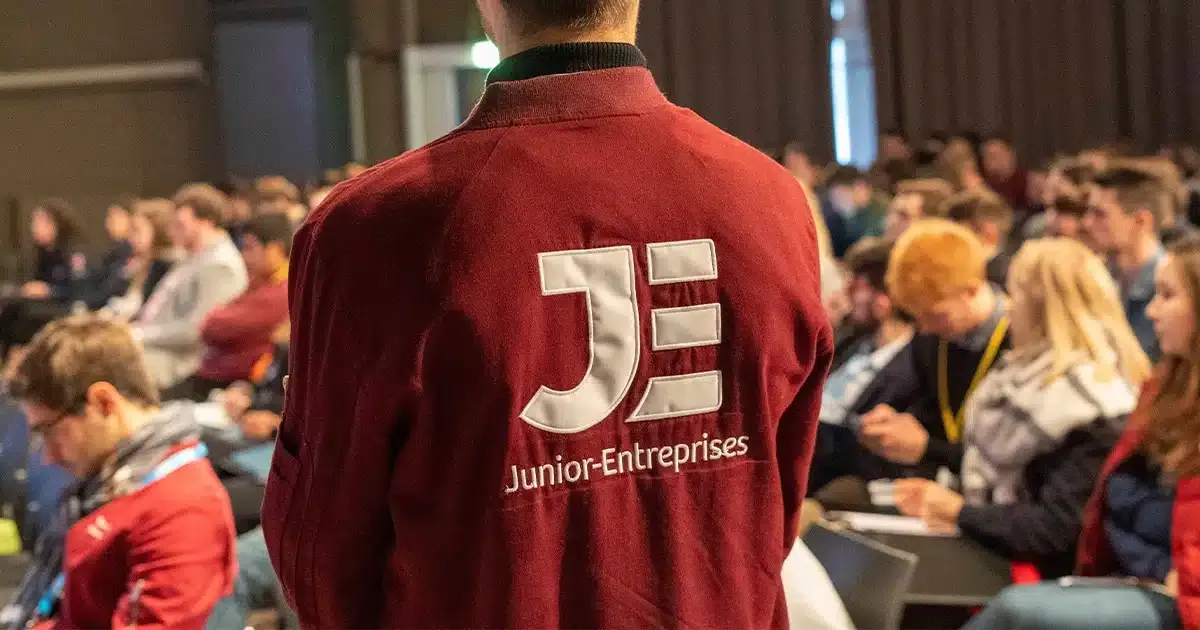
The Junior Enterprise Model: A Student Organization with a Professional Focus
Junior Enterprises: A Learning Framework Close to the Corporate World
Junior-Enterprises are non-profit associations composed exclusively of students and are present in many higher-education institutions. Although the movement is historically very rooted in France, it is now expanding to many countries around the world, proving the relevance and robustness of this model.
The primary vocation of a Junior-Enterprise is pedagogical. It allows students to put the skills acquired during their academic training into practice within a professional framework. In concrete terms, Junior-Enterprises carry out projects for companies, local authorities, or associations. They handle the entire project lifecycle: from the prospecting and contracting phase to the execution of the mission and the delivery of results to the client. This makes the Junior-Enterprise experience very similar to that of a consulting firm or a professional services company.
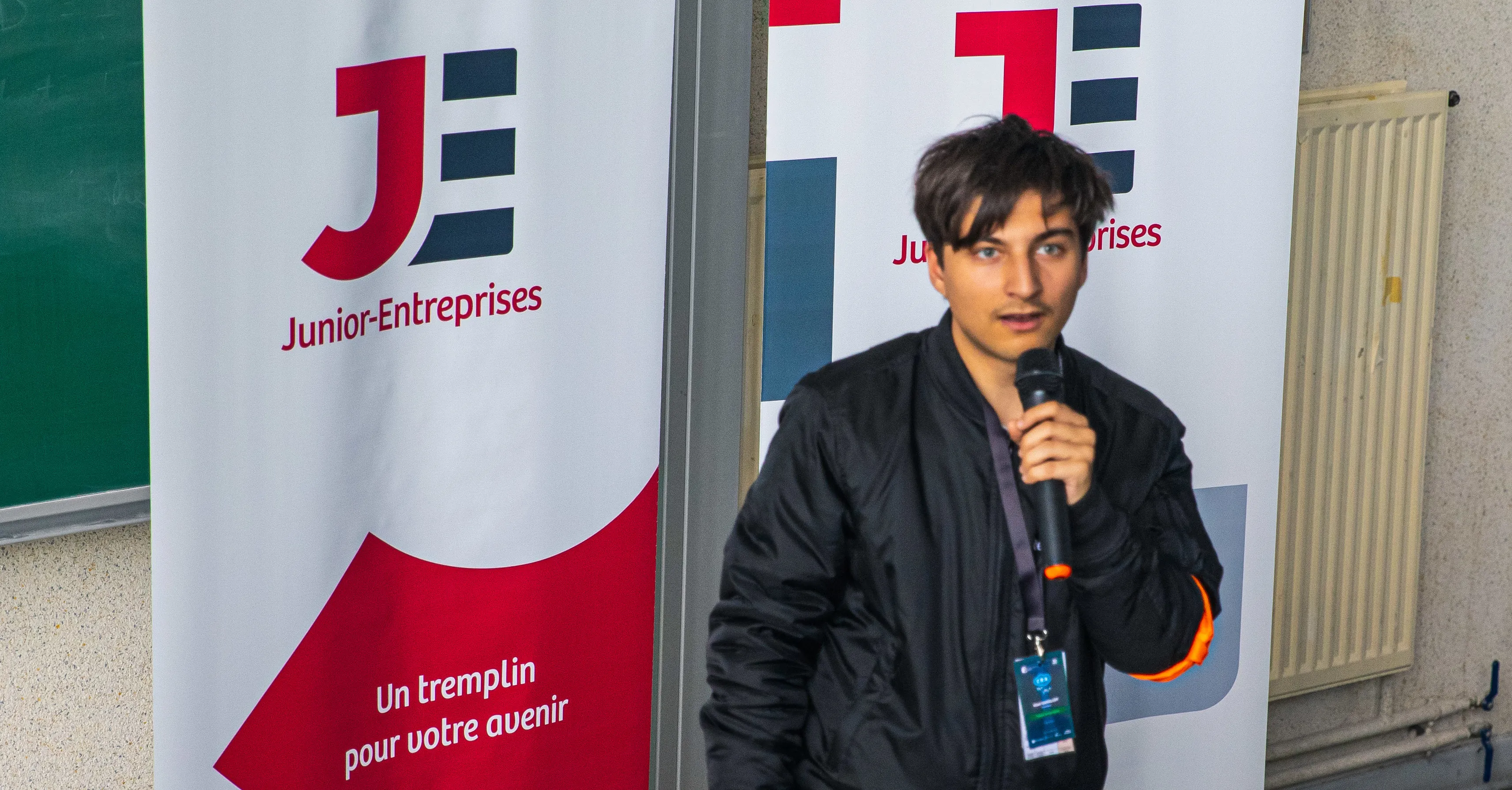
The Junior Enterprise Movement in France: Structure, Audits, and Standards
In France, the movement is structured and overseen by the Confédération Nationale des Junior-Entreprises (CNJE). This body plays a central role in supporting, training, and auditing Junior-Enterprises.
Throughout the year, the CNJE organizes several events, including regional congresses and two national congresses. These gatherings are highlights of the movement: they allow Junior-Entrepreneurs to attend various training sessions covering association management, business development, quality control, and treasury, as well as cross-disciplinary skills like communication or management.
To guarantee compliance and professionalism, each Junior-Enterprise is audited at least once a year. These audits are conducted by experienced Junior-Entrepreneurs who have completed a particularly demanding selection and training process (the “Auditeur-Conseil” test).
The audit team consists of three people: two focus on the organizational aspects of the association, while the third analyzes the treasury and financial aspects. At the end of the audit, an exchange session is organized with the audited members to report on strengths observed and identify areas for improvement. The conclusions are then sent to the CNJE, the only body authorized to rule on the Junior-Enterprise’s compliance. In the event of significant failings, the Brand Commission (Commission des Marques) can issue sanctions ranging from a simple warning to expulsion from the movement.
Polytech Services Nancy (PSN): Polytech Nancy’s Junior Enterprise

As mentioned in the introduction, Polytech Services Nancy is the Junior-Enterprise of Polytech Nancy , the engineering school where I am pursuing my studies. This section aims to present the structure and the context in which I evolved.
Introducing Polytech Services Nancy
The association was founded in 1987 under the name ESSTIN Services, referring to the school’s former name, ESSTIN, which became Polytech Nancy in 2017. This longevity testifies to the stability and roots of the structure within its ecosystem.
In 2012, Polytech Services Nancy was ranked among the thirty top-performing Junior-Enterprises in the movement, a distinction known as the L30. This recognition highlights the quality of its operations, management, and services.
The areas of intervention of the Junior-Enterprise are closely linked to the school’s training programs. The table below links each service offered by Polytech Services Nancy with the corresponding school specialty.
| Service | Program |
|---|---|
| Computer Science | Computer Science, Control, Robotics, and Networks (IA2R) |
| Engineering | Energy, Mechanical Materials, Environment (EMME) |
| Industry | Maintenance, Operational Management, Risk Management (M3) |
In this post, I will not detail the various service offers provided by the Junior-Enterprise, as that is not the subject. If you are interested, feel free to visit the website and browse the commercial brochures.
Why I Joined Polytech Services Nancy
My commitment to Polytech Services Nancy is driven by several strong motivations. I saw a rare opportunity to manage an information system under conditions very similar to those found in a corporate environment, notably through the use of Google Workspace , user account management, and the administration of collaborative tools. This experience also allowed me to work on server maintenance and the production of real services, going beyond the theoretical framework of classes. Finally, the human aspect played a decisive role: I wanted to experience a collective adventure, invest myself in a common project, and contribute to the cohesion of a team sharing the same goals.

My Journey in a Junior Enterprise
IT Officer — 2023-2024 Mandate
This first mandate within the Junior-Enterprise marked a pivotal period in my journey. I was then in the second year of the Integrated Preparatory Cycle of the Polytech Schools (PeiP). I knew few people at the school and had never really participated in student life. It was therefore my first experience with structured volunteering.
As an IT Officer, my role was to develop new tools for the Junior-Enterprise, maintain existing solutions, and ensure they functioned correctly. I also acted as technical support and an expert during IT projects carried out for clients. This mandate allowed me to discover the internal workings of a Junior-Enterprise while gradually increasing my technical and organizational skills.
During this mandate, I worked closely with Samuel Stef, who was then the IT Manager of the structure.
IT Manager & DPO — 2024-2025 Mandate
During this second mandate, my responsibilities evolved significantly. As Information Systems Manager (IT Manager), I was responsible for administering, developing, and maintaining all the Junior-Enterprise’s digital tools. This involved a global vision of the infrastructure, from servers to the software used daily by members.
This role also included an important human dimension through training new members and raising awareness of cybersecurity issues. In parallel, I served as the Data Protection Officer (DPO) , with the mission of ensuring compliance with GDPR and protecting the personal data processed by the association.
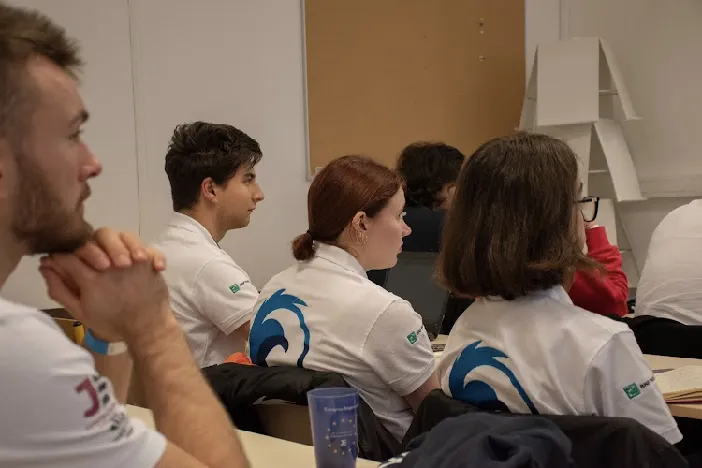
One of the highlight projects of this mandate was organizing a Capture The Flag (CTF) during a regional congress hosted at Polytech Nancy. This event, centered on themes such as OSINT , cybersecurity , and personal data protection , helped raise participants’ awareness in a fun and practical way.
During this mandate, I had the privilege of serving in these roles within a board under the presidency of Camille Piol.
Vice-President — 2025-2026 Mandate
As Vice-President, my role is more strategic. I participate in defining and implementing the global vision of Polytech Services Nancy, in close collaboration with Maeva Eisler, the President of the structure for this mandate.
I am also heavily involved in business development. This mission encompasses all actions aimed at structuring prospecting, acquiring new clients, and building loyalty with those the Junior-Enterprise has already worked with. To achieve these goals, I work closely with the Quality Manager and the Project Department Manager to ensure consistency between the commercial strategy, the quality of services, and client satisfaction.
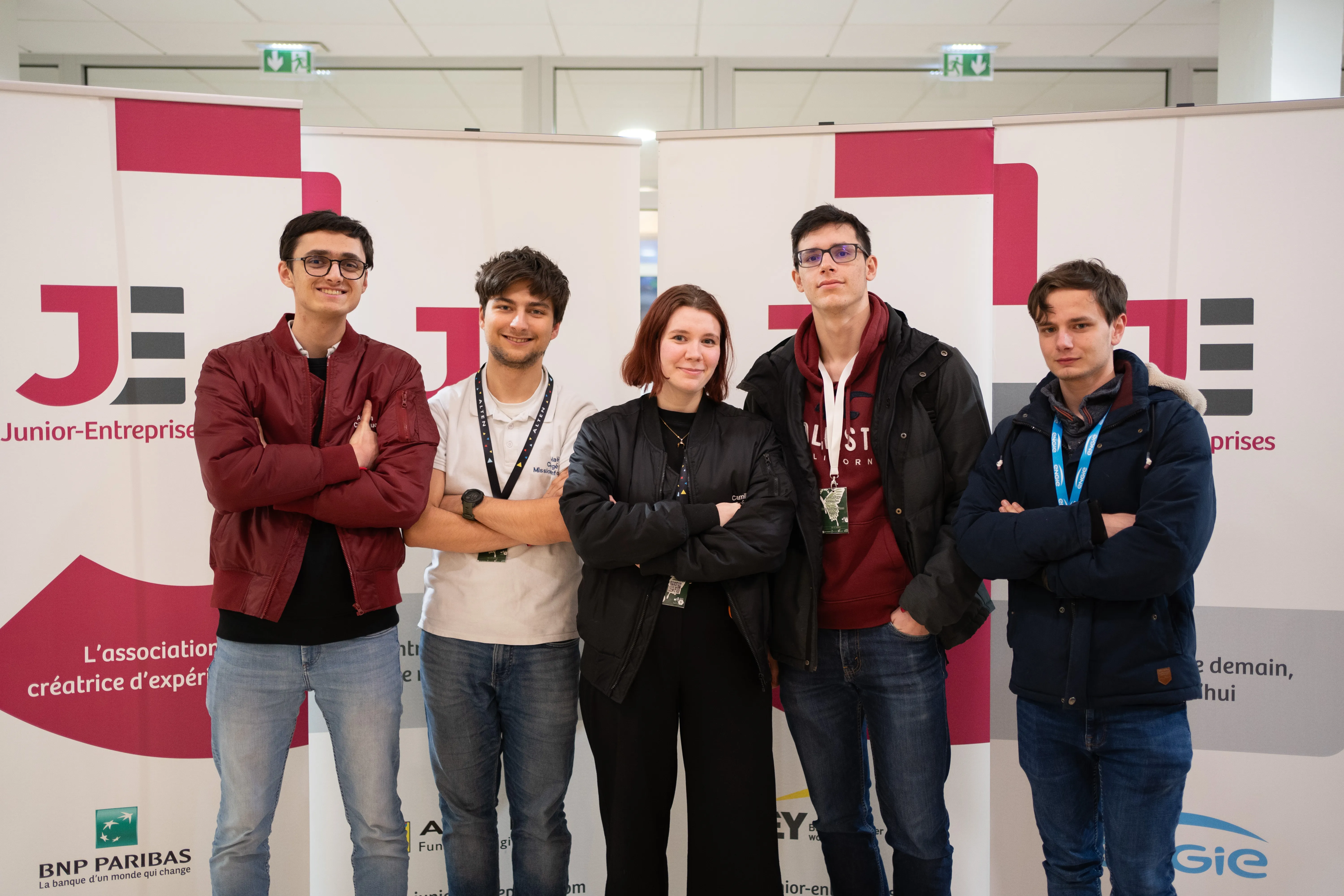
What This Junior Enterprise Experience Brought Me
Developing Technical Skills in Real-World Conditions
The Junior-Enterprise experience allowed me to develop many technical skills that would have been difficult to acquire in another context. Operating in an environment close to that of a real company, with genuine operational constraints, gave me a practical approach to computer science and information systems .
A Defining Human and Collective Experience
Beyond technical skills, the human adventure also left a deep mark on me. I am proud of the work accomplished collectively with the other members of the structure. We shared moments of strong cohesion, but also periods of stress and questioning. These difficulties, faced together, strengthened our bonds and helped the whole team progress.
Limitations of the Experience and Areas for Improvement
Despite this very enriching experience, several limitations and structural challenges deserve to be highlighted.
A Limited Number of Projects
During my mandates, the number of projects signed remained relatively limited. While this situation helps preserve quality and avoid overloading members, it can also be frustrating for highly invested Junior-Entrepreneurs who are eager to gain more concrete project experience.
Underrepresentation of Technical and IT Profiles
Another limitation lies in the insufficient representation of computer science students within the PSN team. Given that a significant proportion of the projects carried out are IT-related, a stronger presence of technically skilled members would be highly beneficial.
Such profiles would make it easier to:
- better understand client needs,
- translate them accurately into technical project requirements,
- provide more relevant support to students involved in project execution, ultimately improving both overall project quality and client satisfaction.
A Movement That Is Still Not Visible Enough
Despite having existed since 1967, the Junior-Enterprise movement remains relatively unknown. This lack of visibility contributes to increased competition among Junior-Enterprises, sometimes at the expense of inter-structural cooperation and knowledge sharing within the network.
A Legal Framework Long Fragile, Now Strengthened
For a long time, the legislative framework surrounding Junior-Enterprises was derogatory and legally insecure, which acted as a structural hurdle for the movement. However, a law adopted in 2023 has since more firmly anchored the Junior-Enterprise model within French law, significantly improving legal clarity and long-term stability.
Recruitment Challenges and a Demanding Workload
Finally, despite its many assets, the association struggles to attract new students during recruitment periods. The workload required to actively contribute to a Junior-Enterprise—on top of demanding engineering studies—can be discouraging.
Conclusion
To conclude, my experience at Polytech Services Nancy has been very formative, both technically and humanly, as an engineering student involved in a Junior-Enterprise. This commitment allowed me to develop concrete engineering and IT skills, gain professional experience, and make many significant encounters within the Junior-Enterprise movement. Without the Junior-Enterprise experience, I believe my journey as a student in engineering studies would undoubtedly have been very different.
Finally, I would like to warmly thank all the people I had the chance to work with during these mandates. Their trust, commitment, and team spirit largely contributed to making this student association adventure an unforgettable experience.
Curious to see what I am building next? Browse the #Project tag to discover other projects I have documented on this blog.
FAQ
What is a Junior-Enterprise?
A Junior-Enterprise is a non-profit student association that provides consulting and services to companies, local authorities, and associations. Composed exclusively of students, it allows them to apply their academic skills to real-world professional projects, managing the entire project lifecycle: prospecting, contracting, execution, and delivery.
How can I join Polytech Services Nancy?
To join Polytech Services Nancy, you simply need to be a student at Polytech Nancy. There are two main recruitment periods, but applications are welcome year-round. The association looks for diverse profiles corresponding to the school’s various majors: IT (IA2R), Engineering (EMME), and Industry (M3). We recommend checking PSN’s social media or contacting a current team member directly for specific application details.
Is involvement in a Junior-Enterprise paid?
No, the permanent members of a Junior-Enterprise are volunteers and do not receive a salary for their administrative roles. However, students who perform technical missions for clients are eligible for financial compensation. The primary benefit remains the professional experience and skills developed, which are major assets for a CV and future career integration.
How much time should I dedicate to a Junior-Enterprise?
The time commitment varies depending on the position and the time of year. Board positions (President, Vice-President, Treasurer, IT Manager, etc.) generally require between 5 and 15 hours per week, with peaks during congresses, audits, or high commercial activity. This commitment is in addition to engineering studies, requiring strong organization and effective time management.
Are Junior-Enterprises officially recognized?
Yes, the Junior-Enterprise movement is overseen by the National Confederation of Junior-Enterprises (CNJE), which regularly audits member structures. Furthermore, since 2023, French law has strengthened the legal framework for Junior-Enterprises, enhancing their recognition and legal security. They are also recognized by their host schools and universities.
What types of projects does Polytech Services Nancy handle?
Polytech Services Nancy operates in three main areas: IT (software development, information systems, cybersecurity), Engineering (mechanical, energy, materials, and environmental studies), and Industry (maintenance, risk management, operational management). Projects range from creating web applications to technical feasibility studies and industrial process optimization.
Is Junior-Enterprise experience valued by recruiters?
Yes, very much so! Experience in a Junior-Enterprise is highly regarded by recruiters as it demonstrates skills in project management, teamwork, customer relations, and entrepreneurship. It proves the ability to lead concrete projects in real-world conditions, going far beyond simple academic training. Many former Junior-Entrepreneurs testify that this experience was a deciding factor in their job interviews.
Can I balance a Junior-Enterprise with other student activities?
Of course! However, it requires excellent time management. Involvement in a Junior-Enterprise, especially in a board position, is a significant commitment that must be balanced with engineering studies. Combining it with other leadership roles in other associations can be challenging, particularly during intense periods (exams, congresses, audits). It is recommended to carefully assess your capacity for commitment before taking on multiple roles.
